
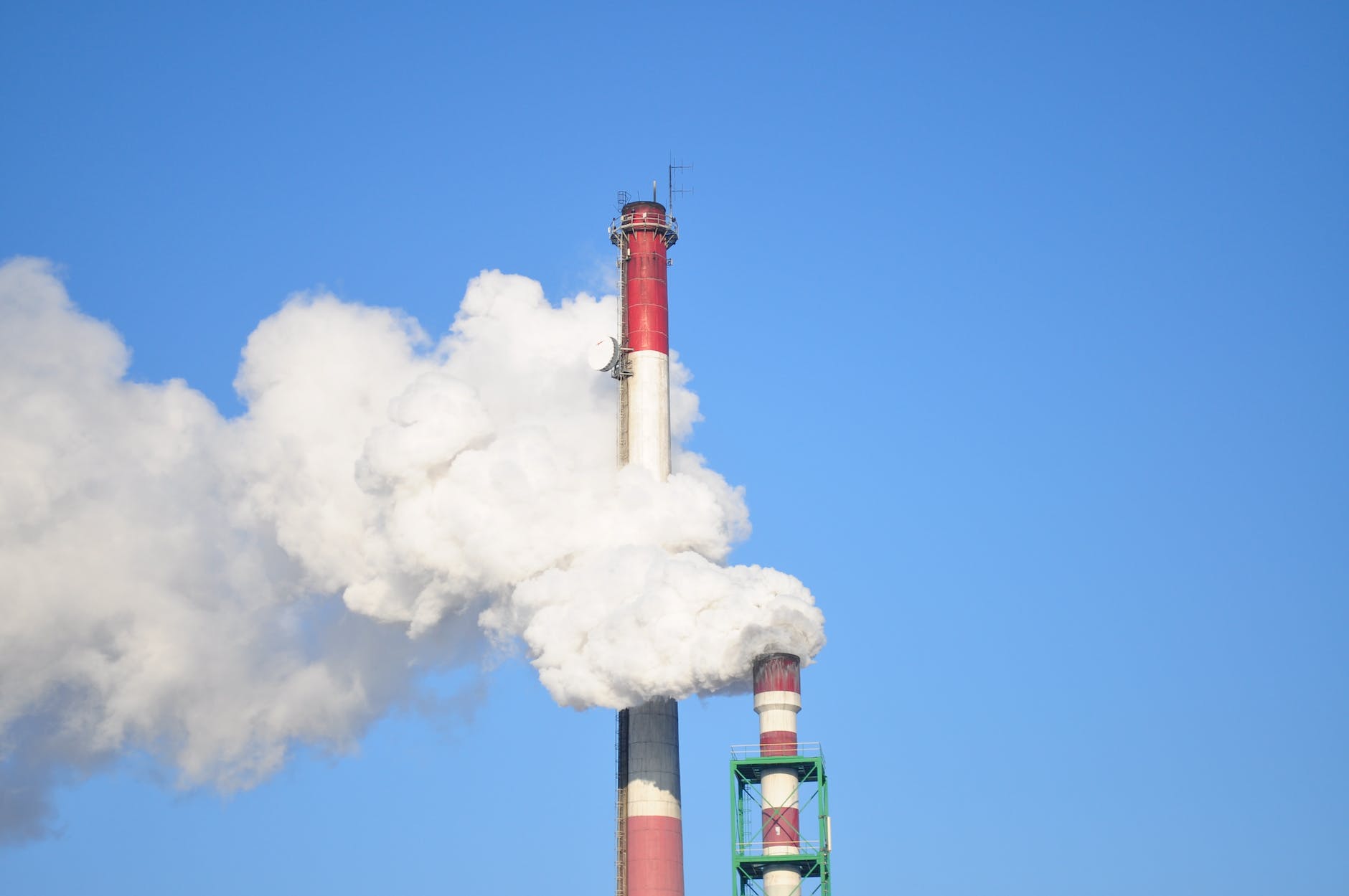
The transportation of carbon dioxide (CO2) is gaining momentum as a strategic solution for emitters looking to efficiently transport captured carbon to offshore storage projects. According to research conducted by Rystad Energy, this trend is set to lead to the need for a fleet of 55 carriers by 2030. It is predicted that over 90 million tonnes per annum (tpa) of CO2 will be shipped by the end of the decade, necessitating 48 terminals to manage the import and export of this greenhouse gas.
The expansion of the global carbon capture, utilization, and storage (CCUS) market has unveiled a significant challenge in the form of a lack of available transportation and storage networks. Currently, onshore pipelines are the most common means of transport, with 330 expected to be operational by 2030. These pipelines efficiently move large quantities of CO2 to onshore storage sites or coastal terminals. However, offshore pipelines, which transport captured carbon to underwater storage sites, are expected to play a pivotal role in the CCUS supply chain in the coming years. CO2 shipping, representing the third component of this puzzle, offers the flexibility to transport carbon emissions over long distances at a relatively low cost.
Nevertheless, the shipping industry relies on emissions-intensive conventional fuels such as maritime diesel or low-sulfur fuel oil (LSFO). This raises concerns about the environmental impact of the shipping process. While GHG emissions over shorter distances are relatively low, they escalate significantly over longer journeys. According to research, ships traveling long distances could contribute up to 5% of the total CO2 shipped. Transitioning to liquefied natural gas (LNG) as the shipping fuel could reduce emissions by 18%, and adopting blue-methanol could result in a 20% reduction. The most substantial reduction would come from using blue-ammonia, potentially reducing the emissions impact of shipping by up to 80%.
It’s essential to note that GHG emissions for marine fuels are calculated “well-to-wake,” encompassing emissions associated with the fuel’s upstream production, refining, and end use, for vessels with a 25,000 cubic meter capacity.
Lein Mann Bergsmark, Vice President of Supply Chain Research at Rystad Energy, acknowledges that carbon dioxide shipping is an emerging market with significant potential in the global climate solution. However, challenges, including high costs, across the CCUS value chain, often discourage plant owners from exploring carbon capture opportunities. To address these challenges, emerging initiatives are being developed, such as open-source CO2 storage infrastructure and the expansion and diversification of transportation networks, which should help alleviate constraints and simplify CCUS projects.
The North Sea is expected to be a focal point in the surge of CO2 shipping due to its proximity to major population centers in Northern Europe. Norway is poised to account for approximately 30% of all globally shipped carbon dioxide in 2030, with 26 million tpa, contingent on the rapid development of storage sites. The Netherlands follows closely with 23 million tpa, and the UK with around 20 million tpa of anticipated shipping volumes, encompassing domestically captured CO2 and imports. France is expected to ship 17 million tpa of CO2 in 2030, followed by Belgium at 13 million tpa. These countries lack substantial domestic CO2 storage options, making CCUS developments reliant on shipping CO2 to neighboring European countries.
The Northern Lights Project in Norway, scheduled to open in early 2025, is poised to be the first open-source CO2 transport and storage network. It will receive domestically shipped CO2 and volumes from northwest Europe at its onshore terminal before storing the gas beneath the seabed. The project’s first phase will have the capacity to store up to 1.5 million tpa of CO2, setting a precedent for similar initiatives worldwide.
Australia is also set to play a significant role in the global market by shipping and storing CO2 from domestic projects and neighboring Asia-Pacific countries, including Japan.
While most proposed shipping routes, particularly in Europe and around Australia, cover relatively short distances of no more than 2,500 kilometers (km), planned routes between Japan, Malaysia, and Australia could involve journeys spanning over 5,000 km. The most extensive journey announced to date would be between South Korea and Saudi Arabia, covering a one-way distance of at least 12,000 km.
